

How Many MM is Safe on Brake Pads?
Knowing the safety prerequisites of brake pads and how long 1mm of brake pad lasts is vital to vehicle safety and maintenance planning.
The brake pads play a very important role in halting your vehicle, and overlooking the wear may result in an increased stopping distance, an expensive repair process, and an accident. That’s why it is important to know every single detail about it!
If you find it confusing, don’t worry! Stealthwindshieldrepairs.com got your back! Let’s start!
What is a Brake Pad and How Does it Work
A brake pad is a part of the friction mechanism of your braking system that rubs against the rotor to slow down or stop your car.
Major Brake System Components
Brake Pads: These are used to give friction to the wheel.
Rotors: Metal discs fastened to wheels.
Calipers: Pad rotors clamped.
Brake Fluid: Pedal/pad power.
Pads are used to change kinetic energy to heat when braking, which prevents the vehicle from moving too fast.
The minimum thickness to keep modern vehicles safe is 3-4mm, which is the standard, and 1mm is a critical threshold that requires immediate replacement.
When your pad thickness reaches this point, your stopping power is dangerously reduced, which can lead to unexpected failures—especially during Calgary winters where road grip is poor. You can learn more about brake-related winter issues here: Prevent Brake Issues in Calgary Winters.
How Long Will 1mm of Brake Pad Last?
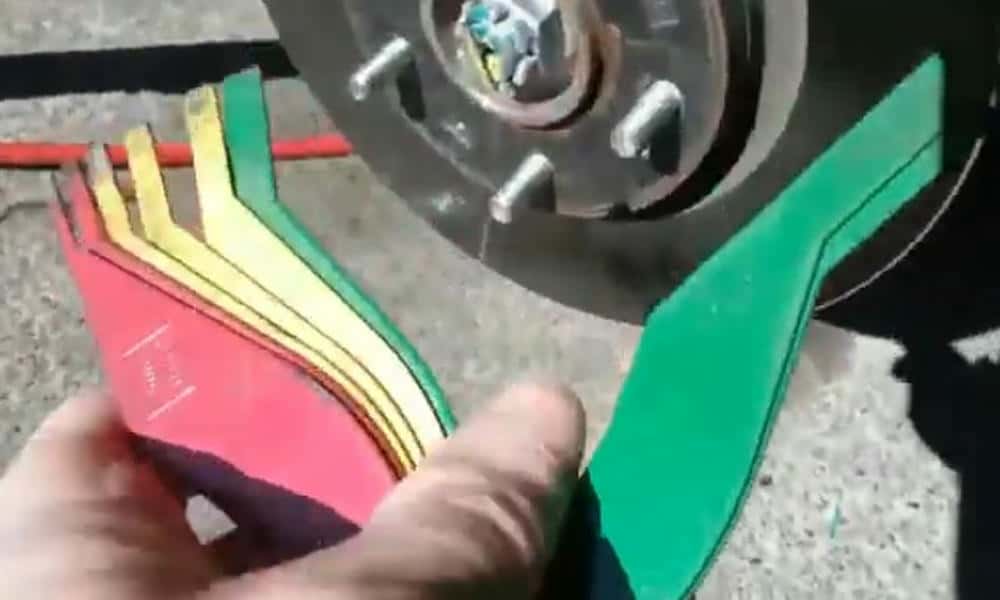
Average Remaining Distance
Once a brake pad is 1mm thick, it has very little life left. Generally, you can only experience 50-200 km before total pad failure, which depends on:
- Driving behavior (city vs. highway)
- Vehicle weight and type
- Roads (icy, gravel, hilly)
Pads of 1mm are not very safe in Calgary, with the harsh winters and mostly slippery roads. The drivers run the risk of increased stopping distances, rotor damage, and failure of the brake system.
For added safety, make sure you understand What is Brake Service & Vehicle Safety before postponing a brake replacement.
Safety Risks
- Reduced braking efficiency
- Extended distance to stop.
- Squeezing or squealing sounds.
- Rotor and caliper destruction.
Timely replacement is necessary to safety and cost avoidance.
How Many MM is Safe on Brake Pads?
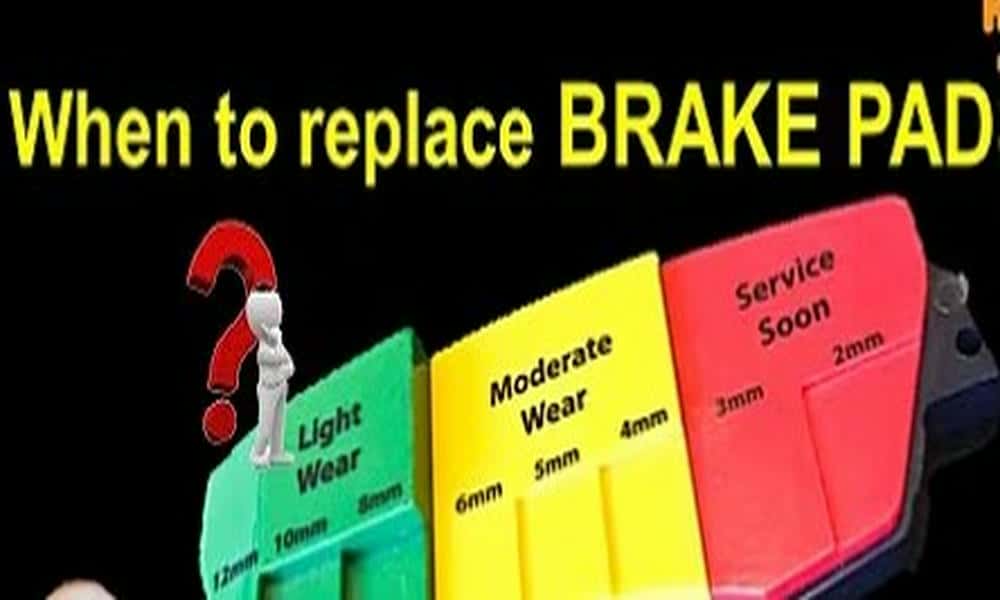
The majority of mechanics suggest that the ideal thickness of brake pads is 3-4mm, which is considered the minimum size permissible in normal driving.
- 8-12mm- New pads; best performance.
- 5-7mm- Moving wear; hardly dangerous in most cases of driving.
- 3-4mm- Limit to safe working; change shortly
- 1-2mm- Wear is critical and should be replaced at once.
Having pads over the minimum thickness ensures strong braking and prevents rotor damage, expensive repairs, and unsafe driving, particularly in the Calgary stop-and-go traffic and winter roads.
If you want to choose better-quality brakes, check out Identify the Best Aftermarket Brake Kits.
Timely checks at an interval of 10,000-15,000 km will help avoid unexpected failures.
Common Warning Indicators of Worn Brake Pads
- Squealing or screeching high-pitched sounds
- Metal scraping as they collide.
- Shaking the brake pedal or steering wheel.
- Longer stopping distances
- Brake warning on the dashboard
By checking regularly and noticing such symptoms early, you can schedule replacements and avoid major safety hazards. Many drivers ignore early signs, the same way they ignore windshield cracks—leading to costly damage.
If you ever face windshield issues, see The Importance of Timely Windshield Repair.
Influencing Factors on the Lifespan of Brake Pads
The duration of the brake pads is determined by several factors, such as:
Driving Style: Pads are worn out quickly through aggressive braking.
Road Conditions: Gravel, icy roads, or hilly conditions add to wear.
Weight of Vehicles: The heavier the vehicle, the faster the pad will be used.
Brake Pad Material: Ceramic, semi-metallic, and organic pads have varying lifespans.
Temperature & Climate: Pad efficiency is decreased by cold Calgary winters.
City drivers wear pads faster due to frequent stops, while highway users enjoy longer pad life. Periodic inspection every 5,000–10,000 km helps detect premature wear.
Calgary’s road conditions affect multiple areas of vehicle maintenance, not just brakes. For example, tire performance also fluctuates in winter—check When to Change Winter Tires in Calgary to prepare properly.
Tips to Extend Brake Pad Life
- Do not have abrupt braking and road rage.
- Engine braking when going down hills.
- Keep good tire pressure to achieve balanced brake pressure.
- Rotors and calipers should be kept clean to avoid corrosion.
- Keep pad thickness under observation by regularly checking schedules.
The selection of the pads of high quality (ceramic or semi-metallic) may extend the lifespan up to 30% in comparison with the organic pads. The drivers in Calgary must be particularly aware during the winter seasons, when the roads are icy and salt that spurrents wear.
If you’re already servicing brakes, it’s wise to check the rotors too—here’s a practical guide: How to Clean Brake Rotors in Calgary.
These tips will guarantee a maximum life of 1mm of brake pad and safe braking performance.
Brake Pad Replacement Cost
The cost of the brake pad replacement varies with the material, the type of vehicle, and the labour:
Basic Pads: $120-$180 per axle
Ceramic Pads: $150-$250 per axle
Performance Pads: $250-$400 per axle
Pad Replacement + Rotor Replacement: $300-600 axle.
Luxury or performance cars can have a price higher than $1,000.
Costs are between 80 and 150/hr labor, with most of the replacements consuming 45-90 minutes. Replacement of pads when they are worn out will save further rotor damage that will raise costs to great heights.
To prevent high repair costs, which may occur abruptly and produce significant expenses, it is important to budget for regular checkups and frequent replacement to ensure safe braking in all Calgary driving conditions.
Replacing pads before they reach 1mm avoids rotor damage and higher repair bills. For a full regional breakdown, here’s a detailed guide: Brake Replacement Costs in Calgary.
Considerations of the Environment in Calgary
Pad wear is heavily influenced by Calgary’s harsh climate. Winter snow, ice, and road salt increase corrosion and friction. Stop-and-go traffic also shortens pad life.
Even pads with 3–4mm remaining can overheat on icy surfaces. Proper maintenance, timely replacements, and quality pad selection ensure safe braking. Harsh weather affects more than brakes—visibility is also compromised. See how to maintain safety through Headlights for Foggy Conditions in Calgary.
Knowing these factors will help drivers understand brake pad thickness and avoid risky winter driving.
Final Overviews
It is important to know the duration of life expectancy of 1mm of brake pad, and the number of mm that is safe on the brake pads, so that you can drive safely and maintain your car at reasonable costs.
Climate, traffic, and habits are some of the factors that Calgary drivers have to take into consideration when doing maintenance planning. Preventive maintenance guarantees safety, extends the pad life, and keeps the vehicles dependable at all times in all road conditions.
Hopefully, you got the proper answer to your question, ‘How Long Will 1mm of Brake Pad Last? How Many MM is Safe on Brake Pads?’ Drive safe!
For further winter safety and maintenance tips, check this useful resource: Tire Care Checklist.